Building a Personal Reference Library for Everyday Observation
Collecting with intent
Everyday life offers a steady supply of useful visual information: light quality at different times of day, fabric behaviour, architectural details, and fleeting gestures. Building a personal library begins with a habit of collecting intentionally rather than passively.
Simple capture protocols
Adopt a brief protocol when you photograph reference. For each capture, try to record: subject, distance, camera orientation, time of day, and a one-line reason you took it. This data adds context that becomes valuable later when you try to remember why a particular image appealed to you.
Small, searchable metadata
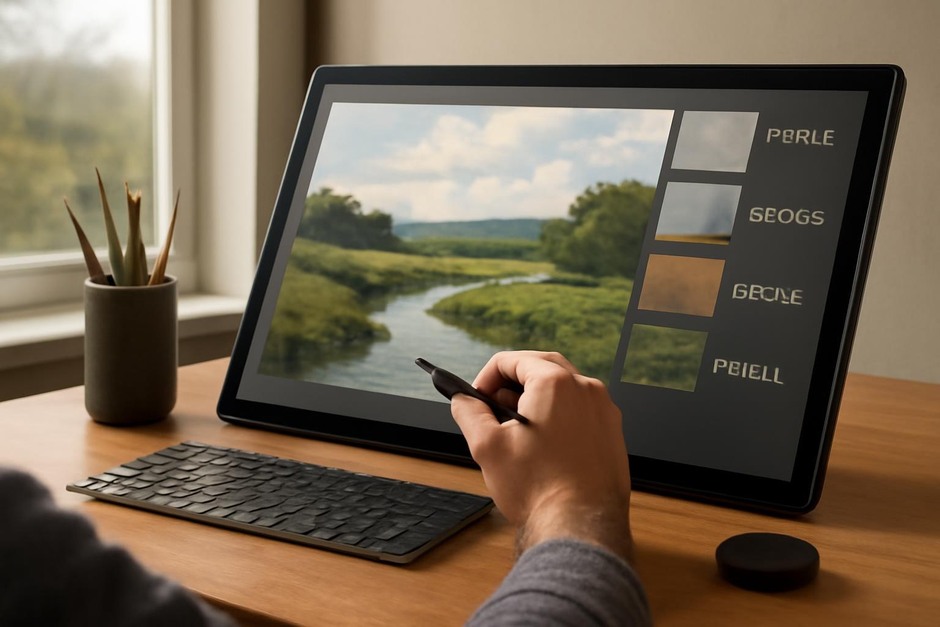
Keep metadata compact and consistent. Use a few predictable tags such as “morning light,” “pleated cloth,” “crowded street,” or “arched doorway.” Consistency matters more than completeness. Well-chosen tags make retrieval faster than a large unstructured archive.
Create visual index cards
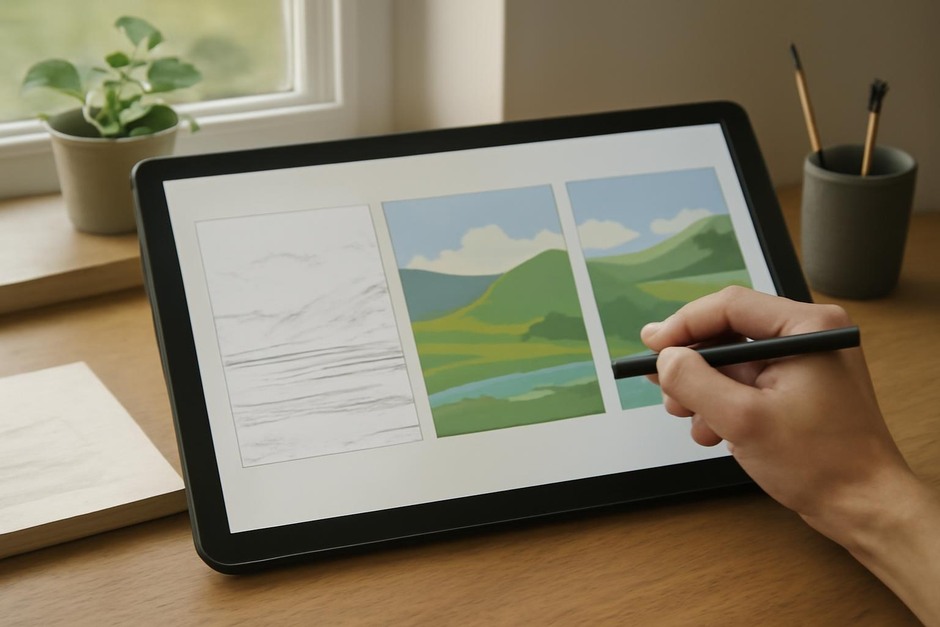
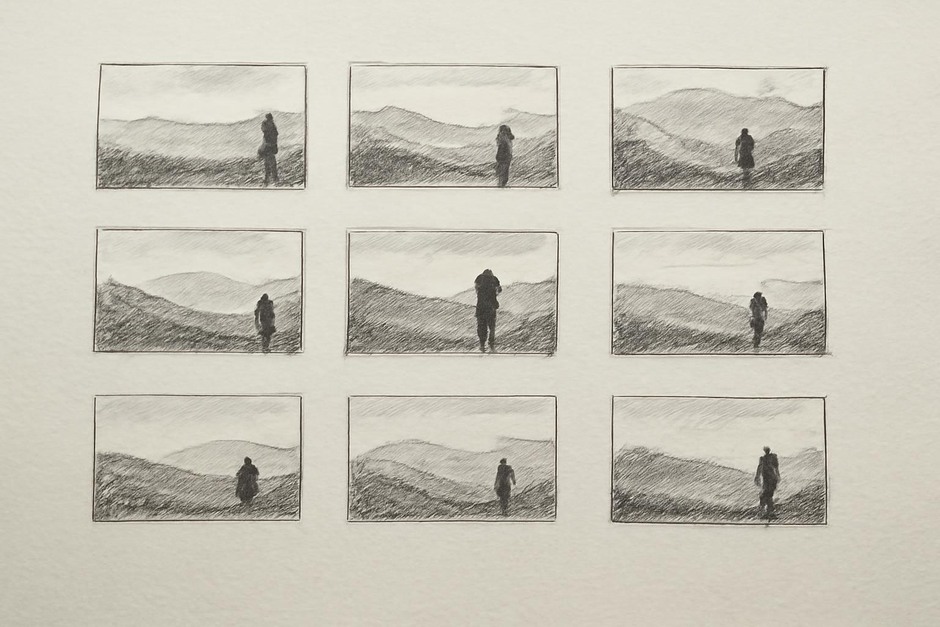
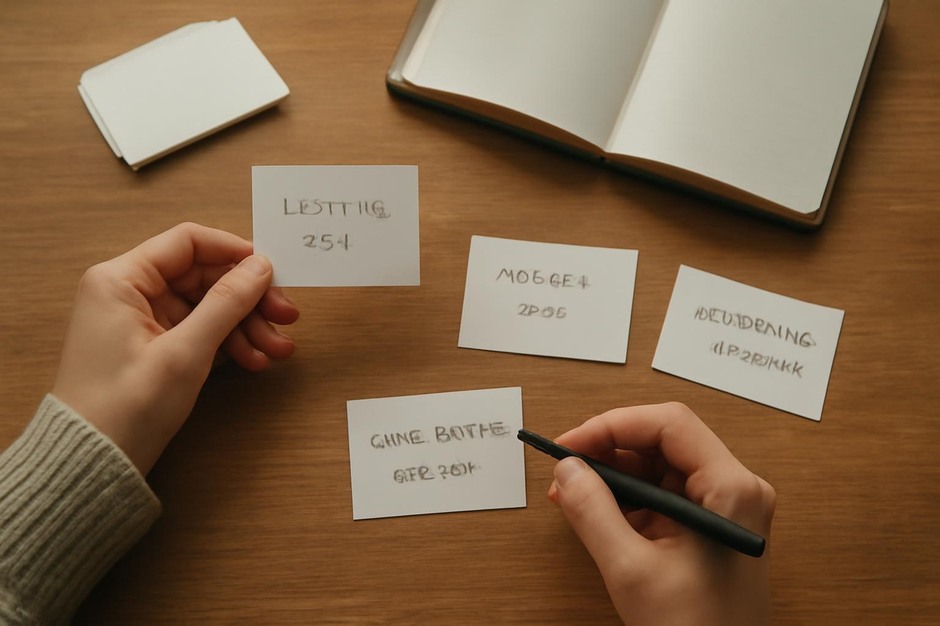
Convert frequently used images into small visual cards that include the image, a tiny thumbnail study, and a short note. These cards live in a compact folder and are easy to scan before a study session. Over time they become the visual shorthand for recurring observations you want to internalize.
Practice micro-studies
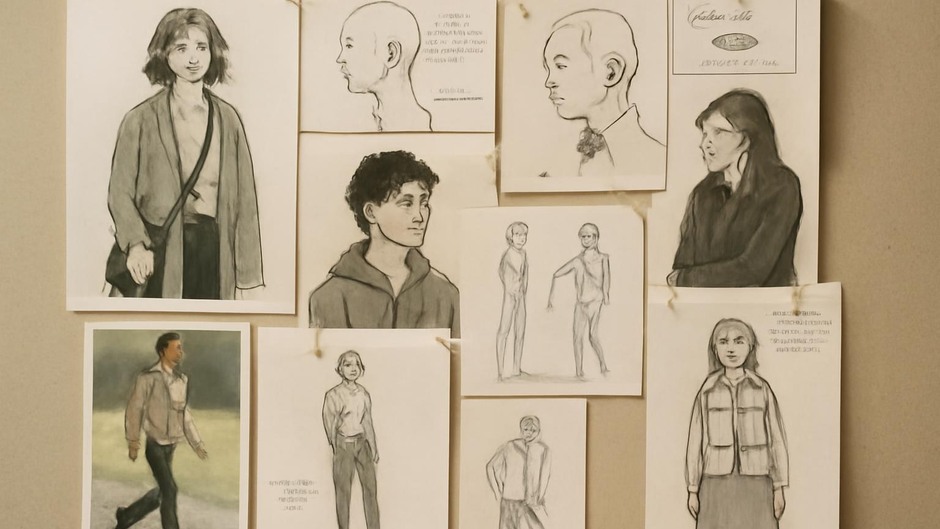
Turn single reference images into focused two- to ten-minute micro-studies. These rapid exercises might isolate texture, a particular cast shadow, or the way cloth folds under tension. The micro-study should be framed as a question: what exactly do I want to learn from this image? Answering that question in a short sketch strengthens observation.
Organize by problem, not by event
When you organize reference by problem—hands, door frames, evening light—you make it easier to pull images that directly solve an issue in a current piece. Event-based folders (vacation, party) are less useful when you need to troubleshoot a specific visual problem.
Maintain and prune
Set a ritual to prune the library monthly or quarterly. Remove images that no longer feel helpful. Merging similar tags and deleting weak images keeps the library active rather than a dusty repository. Pruning is a signal that the library is in working use.
A short routine to develop the habit
- Each day for a week, take one photograph with the capture protocol and make a one-minute annotation.
- Each weekend, convert two or three of the best photos into visual index cards with a short note and a thumbnail study.
- Once a month, prune ten images that no longer feel useful and merge overlapping tags.
Over time these small, repeatable practices build an organized collection of images informed by observation and purpose. The library is less about having everything and more about having the right visual data when you need it.