Iterative Thumbnail Studies: Finding Composition Quickly
The value of thumbnails
Thumbnails are small, fast experiments that allow you to explore composition and value without committing time to refinement. The iterative part is crucial: test several ideas, select the strongest, and then run a second round with constraints derived from the first. This cycle often reveals clearer decisions than polishing the first idea that feels promising.
Start with a clear brief
Before making thumbnails, define a short brief: subject, mood, focal point, and a single constraint (for example, limited palette or single light source). The brief keeps thumbnails targeted and makes comparison meaningful.
Make the first pass: breadth
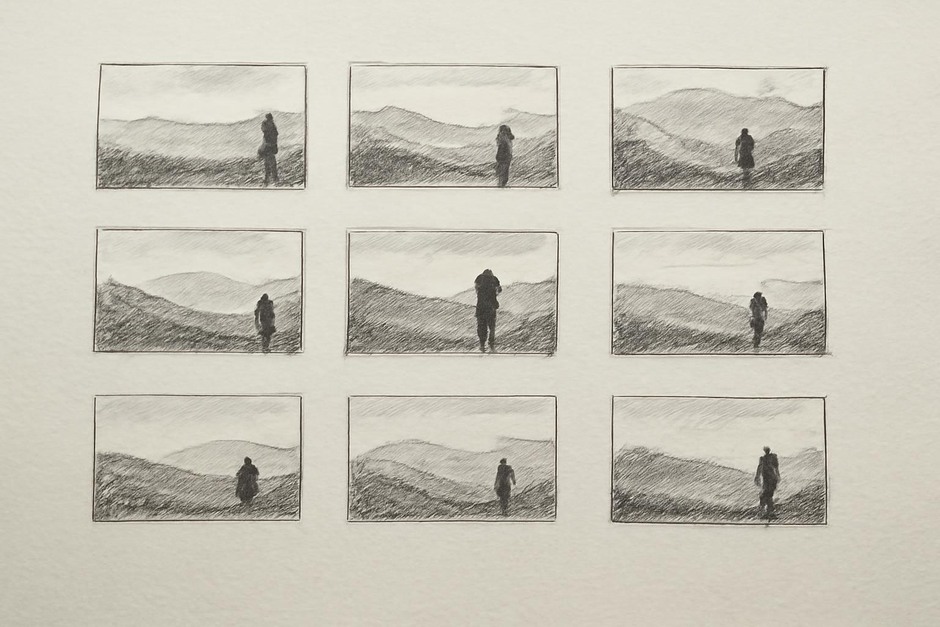
Work small. A typical thumbnail size is the equivalent of 100–300 pixels wide, or a tiny paper square in a sketchbook. Produce at least ten distinct thumbnails in 20–30 minutes. Focus on silhouette, value shapes, and the primary focal point. Ignore details and colour for now.
Choose and analyze
Pick three thumbnails that read clearly at small scale and match the brief. Analyze each briefly: what makes the silhouette strong? Where does the eye travel? Which shapes create tension or rest? Note these observations in one or two lines.
Second pass: constrained refinement
For each selected thumbnail, make three refined variations that keep the successful elements but alter one variable: change camera angle, adjust the foreground element, or shift the light source. These constrained variations test how robust the idea is. If one variation reads better, use it as the basis for a larger block-in.
Use value as the anchor
Value is the strongest compositional tool at the thumbnail scale. Create quick grayscale versions to ensure the focal area has clear contrast against its surroundings. If the focal point does not emerge in a black-and-white pass, colour will not fix it.
Visual checklist for thumbnails
- Silhouette clarity: Does the main subject read without internal confusion?
- Focal contrast: Is there a distinct value or shape contrast where you want the eye to stop?
- Leading lines: Do compositional lines guide the eye toward the focal area?
- Edge language: Are soft and hard edges used to support hierarchy?
A brief exercise to try
- Set a 60-minute session. Spend 25 minutes on 12 broad thumbnails.
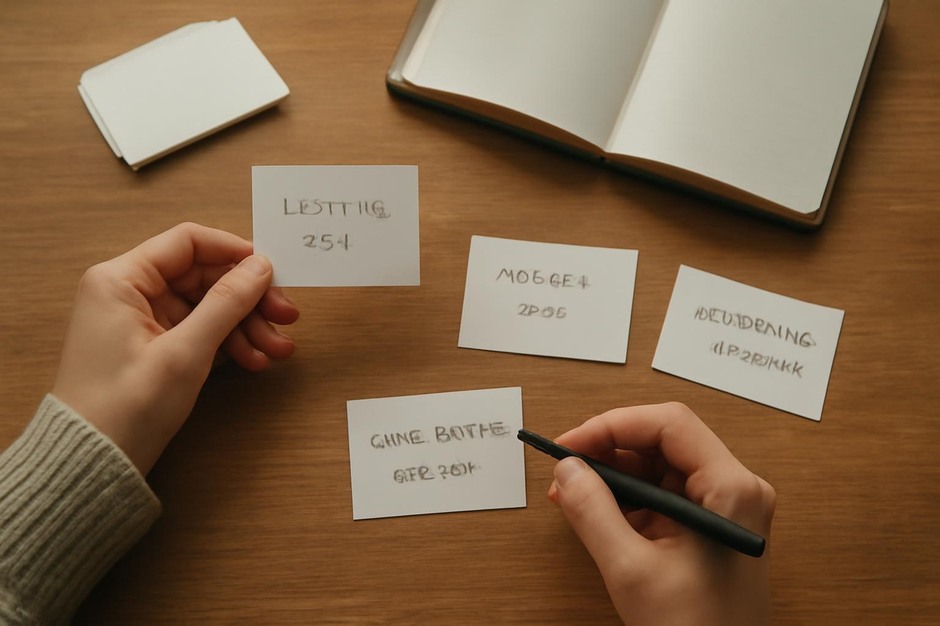
- Choose 3 and write one-sentence notes on why you chose them.
- Spend 25 minutes generating three constrained variations of each chosen thumbnail.
- Pick one final thumbnail to scale up into a block-in and a value pass.
Iteration in thumbnails is not about perfection but about discovery. By exploring broadly and then refining within clear constraints, you build compositional confidence and avoid overworking early choices. The small size keeps the process fast and the focus on what truly matters: clear shapes and readable values.